
Your Feelings, Your Power
By Robert Meeks, Holistic Health Practitioner For the North County Referrals Network Group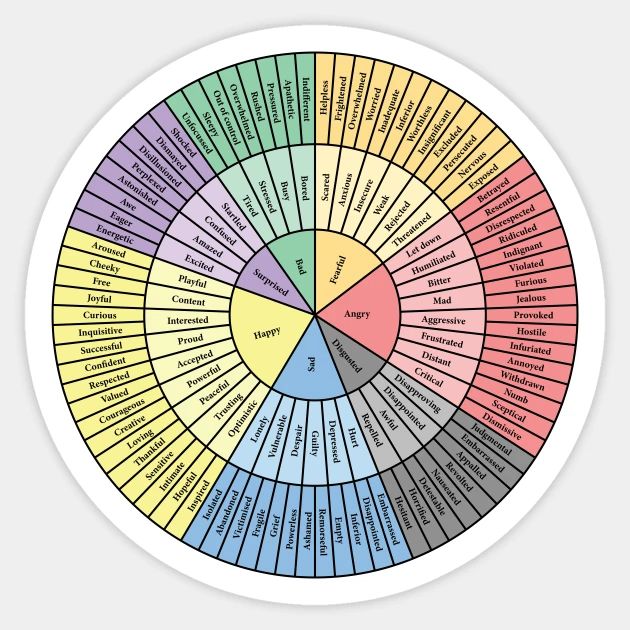
In our everyday conversations, at work, at home, and even with the best of intentions, we often give away something incredibly important: ownership of our feelings.
You’ve probably heard phrases like “You made me feel…” or “I shouldn’t feel this way.” These statements are common, socially accepted, and quietly damaging. When we place our feelings onto someone else, we give away our power. When we judge or dismiss our own emotions, we disconnect from ourselves.
Taking Ownership Changes Everything
Here’s a simple truth:
When someone hugs me, I feel love.
When someone yells at me, I feel afraid.
Those feelings are mine. Not theirs.
When we say “I feel…” instead of “You made me feel…”, we take responsibility for our emotional experience. That single shift restores choice, clarity, and the ability to respond, rather than react.
In contrast, blaming others for how we feel keeps us stuck. It reinforces a belief that we’re not in control, that we’re somehow “not enough,” and over time, that belief can quietly lead to emotional numbness or depression.
Why Ignoring Feelings Affects the Body
As a society, we tend to discount emotions, our own and others’. We rush to “fix” feelings, minimize them, or talk ourselves out of them altogether. But emotions don’t disappear when ignored. They move inward.
The body follows the mind. When feelings are suppressed long enough, they often show up physically, as chronic tension, pain, illness, or disease. Posture changes, breathing changes, and even the way we stand, or walk can reflect unresolved emotional experiences, sometimes rooted in childhood.
Children instinctively express emotion through movement, cringing, pulling back, crying, or standing firm. Adults are often taught to do the opposite: hold it in, stay composed, move on. Over time, this can leave us emotionally stunted and physically stressed.
A Simple Daily Practice
Emotional health doesn’t require complex therapy or long conversations. It can begin with one small, consistent practice:
Name what you feel.
Start with the phrase “I feel…” and be specific.
Not just sad, but lonely, disappointed, or tired.
Not just stressed, but overwhelmed, pressured, or uncertain.
Broad words like depressed, anxious, or stressed are umbrellas. Underneath them are more precise emotions that tell you what’s really going on.
You can even practice this in the mirror, allowing your face and body to express the emotion naturally. Our nervous systems are wired for this kind of awareness and release.
Feelings Are Information, Not Flaws
There is nothing wrong with having emotions. In fact, feeling sad after a loss, angry during stressful times, or confused in uncertainty is a healthy, human response.
You can feel joy and confusion at the same time.
You can feel confidence and overwhelm simultaneously.
Emotions are meant to help us move forward—not hold us back.
When we allow ourselves (and others) to feel without judgment, recovery happens faster. Growth happens more naturally. And connection, both personal and professional, becomes more authentic.
A Note for Professionals
As professionals, how we show up matters. Our steadiness, clarity, and confidence can help others feel safe, informed, and relieved, without taking on their emotions as our responsibility.
You can be supportive without absorbing someone else’s feelings.
You can be present without giving away your power.
Other people’s emotions belong to them, just as yours belong to you.
Final Thought
Your feelings are yours.
Your body is yours.
Your thoughts are yours.
When you own your emotions, you regain the ability to act, choose, and move forward with intention.
This practice is simple. It’s not always easy, but it’s powerful. Try it if it resonates. Leave it if it doesn’t. Either way, honoring emotions, yours and others’, is a meaningful step toward daily emotional health.
Robert Meeks
Holistic Health Practioner